
Aliquam euismod libero eu enim
Aliquam convallis sollicitudin purus. Praesent aliquam, enim at fermentum mollis, ligula massa adipiscing nisl, ac euismod nibh nisl eu lectus. Fusce vulputate sem at sapien. Vivamus leo.
Proin feugiat, augue non elementum posuere, metus purus iaculis lectus, et tristique ligula justo vitae magna. Aliquam convallis sollicitudin purus. Praesent aliquam, enim at fermentum mollis.
Nulla tincidunt tincidunt mi. Curabitur iaculis, lorem vel rhoncus faucibus, felis magna fermentum augue, et ultricies lacus lorem varius purus. Curabitur eu amet.
Ligula massa - Aliquam convallis sollicitudin purus. Praesent aliquam, enim at fermentum mollis, adipiscing nisl, ac euismod
Aliquam - Aliquam convallis sollicitudin purus. Praesent aliquam, enim at fermentum mollis, adipiscing nisl, ac euismod
Praesent - Aliquam convallis sollicitudin purus. Praesent aliquam, enim at fermentum mollis, adipiscing nisl, ac euismod
Aliquam convallis sollicitudin purus. Praesent aliquam, enim at fermentum mollis, ligula massa adipiscing nisl, ac euismod nibh nisl eu lectus. Fusce vulputate sem at sapien. Vivamus leo.

Aliquam convallis sollicitudin purus. Praesent aliquam, enim at fermentum mollis, ligula massa adipiscing nisl, ac euismod nibh nisl eu lectus. Fusce vulputate sem at sapien. Vivamus leo.

Aliquam convallis sollicitudin purus. Praesent aliquam, enim at fermentum mollis, ligula massa adipiscing nisl, ac euismod nibh nisl eu lectus. Fusce vulputate sem at sapien. Vivamus leo.
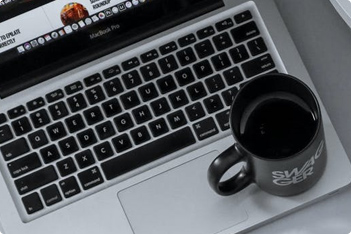
Praesent - Aliquam convallis sollicitudin purus. Praesent aliquam, enim at fermentum mollis, adipiscing nisl, ac euismod
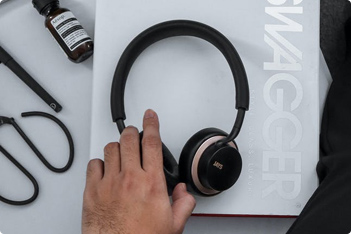
Praesent - Aliquam convallis sollicitudin purus. Praesent aliquam, enim at fermentum mollis, adipiscing nisl, ac euismod
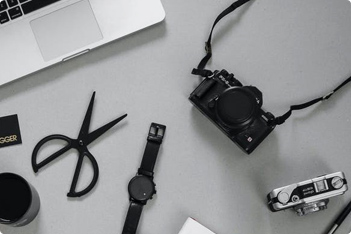
Praesent - Aliquam convallis sollicitudin purus. Praesent aliquam, enim at fermentum mollis, adipiscing nisl, ac euismod
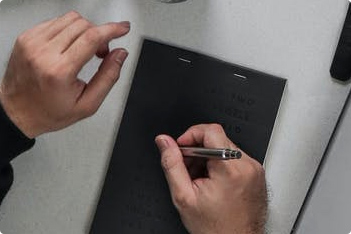
Praesent - Aliquam convallis sollicitudin purus. Praesent aliquam, enim at fermentum mollis, adipiscing nisl, ac euismod

Praesent - Aliquam convallis sollicitudin purus. Praesent aliquam, enim at fermentum mollis, adipiscing nisl, ac euismod
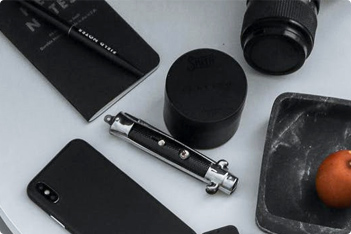
Praesent - Aliquam convallis sollicitudin purus. Praesent aliquam, enim at fermentum mollis, adipiscing nisl, ac euismod
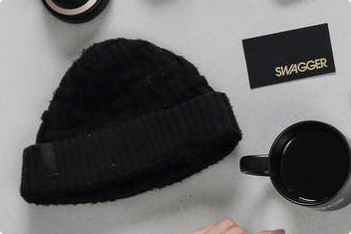
Praesent - Aliquam convallis sollicitudin purus. Praesent aliquam, enim at fermentum mollis, adipiscing nisl, ac euismod
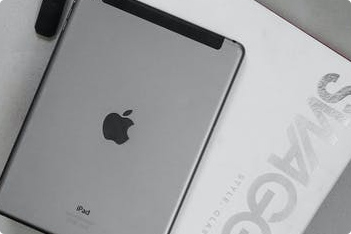
Praesent - Aliquam convallis sollicitudin purus. Praesent aliquam, enim at fermentum mollis, adipiscing nisl, ac euismod


“Aliquam convallis sollicitudin purus. Praesent aliquam, enim at fermentum mollis, ligula massa adipiscing nisl, ac euismod nibh nisl eu lectus. Fusce vulputate sem at sapien. Vivamus leo. Aliquam euismod libero eu enim.”
Aliquam convallis sollicitudin purus. Praesent aliquam, enim at fermentum mollis, ligula massa adipiscing nisl, ac euismod nibh nisl eu lectus. Fusce vulputate sem at sapien. Vivamus leo. Aliquam euismod libero eu enim. Nulla nec felis sed leo placerat imperdiet. Aenean suscipit nulla in justo. Suspendisse cursus rutrum augue. Nulla tincidunt tincidunt mi.
Powered by : graffik-design.com